April 9, 2026
Why KDS Matters and Why Restaurants Are Making It Part of Their Business Strategies
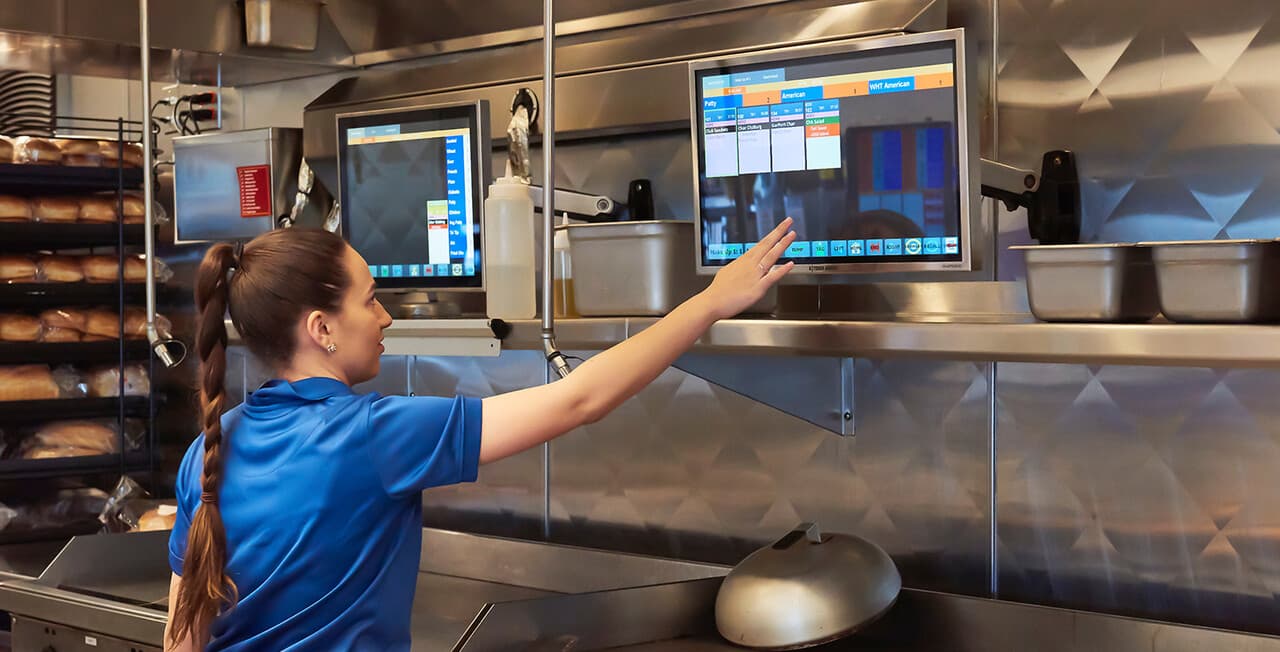
In today's modern restaurant ecosystem, a kitchen display system (KDS) is no longer a nice-to-have. It's mission-critical. KDS is the operational engine of the kitchen, powering the speed, accuracy, and consistency required to deliver great food and great service at scale. As orders flow in from more channels than ever: online, drive-thru, counter, table service, mobile apps, and self-service kiosks, operators need a system that ensures every order is routed correctly and executed flawlessly, every time.
This isn't the future of restaurant operations; it's table stakes for relevance in commercial kitchens, especially in high-volume QSR environments. While KDS is often viewed simply as a tool for front- and back-of-house communication, its true impact runs much deeper. The right KDS is purpose-built for the realities of the commercial kitchen, designed for durability, visibility, and integration, KDS brings together hardware and software into a cohesive, all-in-one solution.
What is KDS Technology?
A kitchen display system (KDS) is the digital command center that manages, prioritizes, and routes orders across a commercial kitchen in real time. What was once a replacement for paper tickets has evolved into a strategic operations engine, directly influencing throughput, labor efficiency, order accuracy, and profitability.
How Does KDS Technology Benefit Commercial Kitchens?
At its core, a modern kitchen display system transforms kitchen operations from reactive order handling into a coordinated, data-driven production environment built for speed, accuracy, and scale. The benefits of a KDS make a big impact on operations and the bottom line in several ways.
-
Time Savings
Time is money in a commercial kitchen, and with orders now flowing in from multiple channels, kitchens need a way to scale without adding complexity. The KDS consolidates orders from all sources into a single, real-time workflow while intelligently directing them to the right preparation stations. This isn't a simple queue; it's a high-performance system designed to produce multiple orders in parallel and move them out the door as efficiently as possible.
Kitchens still relying on paper tickets or printers are at a significant disadvantage. While those methods may suffice for small independents, they break down quickly in high-volume or growth-focused operations. Modern KDS platforms also support order-ahead and scheduled pickup, ensuring advance orders appear in the kitchen at exactly the right time, protecting speed of service without disrupting active production.
-
Fewer Errors and Food Waste
As order volume and menu complexity increase, even small mistakes can quickly lead to wasted food, slower service, and frustrated customers. With a KDS, restaurants gain:
- The right order at the right time: A KDS ensures staff prepare the correct menu items for the correct customer by routing orders to the right stations in real time, eliminating missed or misread tickets.
- Visibility into alerts and modifiers: Built-in alerts clearly surface allergies, substitutions, and special instructions, helping kitchen staff execute each order exactly as intended.
- Unmatched accuracy: The KDS is the engine that ensures orders are made to specification every time, reducing remakes, returns, and unnecessary food waste.
-
Greater Sustainability
A kitchen display system helps commercial kitchens operate more sustainably, which is an increasingly important priority in today's restaurant landscape. Gloria Food research shows that 77% of younger consumers prefer restaurants that are transparent about their environmental impact, and 25% of Gen Z and millennials consider sustainability a key factor when choosing where to order food. KDS supports these goals in practical, measurable ways:
- No paper orders: Eliminates paper tickets, reducing ongoing paper waste and printing costs.
- Energy-efficient screens: Commercial-grade displays are designed for continuous use while keeping energy demand low, especially when equipped with optimized brightness controls.
- Fewer preparation errors: Improved order accuracy means fewer remakes and less food waste overall.
-
Improved Margin
CNN reported that food costs are up more than 21 percent over the past four years, and already-thin restaurant margins are under increased pressure. KDS helps offset these challenges by driving efficiency across labor, inventory, and energy use.
By reducing prep time, minimizing errors, and lowering waste, a modern kitchen display system enables commercial kitchens to operate leaner and more predictably. These incremental gains compound over time, helping operators protect profitability even as costs continue to rise.
-
Valuable Data
Today's KDS platforms do more than move orders; they generate actionable insights. Operators can identify menu items that create bottlenecks, analyze prep times by station, and spot inefficiencies that slow throughput during peak periods.
This data allows leaders to optimize menus, refine workflows, and schedule staff more effectively based on real performance. In high-volume QSR environments, this visibility turns the kitchen display system into a continuous improvement tool, not just a kitchen screen.
Choosing the Optimal Touchscreen for KDS
Effective kitchen operations depend on more than software alone. The most successful KDS deployments pair powerful software with purpose-built display technology designed specifically for the realities of a commercial kitchen. In high-volume environments, the screen itself plays a critical role in usability, durability, and overall operational efficiency.
Key screen considerations for KDS include:
- Touchscreen interface: Eliminates the need for bump bars, supports intuitive workflows, and simplifies training. This is especially important in kitchens with high staff turnover.
- Ruggedized design: Built to withstand heat, grease, moisture, and frequent cleaning without compromising performance.
- Flexible connectivity and power options: Features like Power over Ethernet (PoE) allow screens to be installed where they're needed most, without complex electrical work.
- Versatile mounting options: Wall, arm, or pole mounts help save valuable counter and shelf space in crowded kitchens.
- Screen size options: Ensures clear visibility from typical prep distances, reducing misreads and improving speed and accuracy.
What Elo Brings to KDS
When selecting touchscreen technology for a kitchen display system, experience matters. Providers that have deployed KDS at scale across real-world commercial kitchens understand what it takes to support speed, uptime, profitability, and sustainability under constant pressure.
Elo brings that experience to the table, having powered KDS environments across high-volume, performance-driven kitchens where reliability is non-negotiable. One product purpose-built for these demands is the Elo I-Series Steel, designed specifically for high-performance commercial kitchen environments. Key capabilities include:
- Built on Android: The flexibility and durability of the Android platform support intuitive user experiences today while allowing kitchens to adapt as workflows and technologies evolve.
- Range of sizes: Multiple screen sizes provide flexibility to fit the exact needs and constraints of different kitchen layouts and prep stations.
- Durability: IP65/IP54 ratings protect against dust and liquids, while sealed cable covers and rounded corners support long-term reliability in harsh kitchen conditions.
- Integrated PoE: With power-over-ethernet integration, you can say goodbye to both your power adaptor and the expense of power drops.
- Integrated VESA: Mount your touch screens with ease on walls, arms, or poles to save counter and shelf space.
- Elo EssentialEdge™: Enterprise Android with built-in security updates, zero-touch provisioning, and streamlined MDM integration.
- Applied AI performance: Elo's Qualcomm 6490 chipset offers a fused AI accelerator. This provides astonishing performance at low power – the perfect combination of efficiency and sustainability for kitchens of the future.
- EloView: Provides centralized device management across the entire network, enabling operators to monitor, update, and manage systems from anywhere.
In today's multi-channel, high-volume commercial kitchen ecosystem, this combination of durability, manageability, and forward-looking performance isn't optional. It's the result of hard-earned experience operating at scale, and exactly what modern kitchens need to stay competitive.
Take the Next Step
If your kitchen is still relying on manual processes or printed tickets to manage orders, it's time to evaluate the true return on investment of a modern kitchen display system. In high-volume, multi-channel environments, manual workflows introduce friction, waste, and missed opportunities that directly impact speed, margins, and guest experience.
Automating order flow with KDS gives commercial kitchens the freedom to deploy staff more effectively, reduce errors and waste, operate more sustainably, and consistently deliver the fast, accurate service customers expect. To take the next step toward a faster, smarter, and more profitable operation, contact us.